Silver Authentication
How to Spot Fake Silver: 7 Tests Anyone Can Do at Home
Published May 1, 2026 · 8 min read · 925s.ai Editorial
Test 01 — Check for hallmarks first

Real silver carries stamped hallmarks — tiny symbols struck by an authorised assay office that guarantee metal purity. In the UK, look for the lion passant (sterling standard), the assay office mark (anchor for Birmingham, leopard’s head for London), and a date letter. The numbers “925”, “800”, or “958” indicate silver content per thousand parts.
Examine marks with a loupe or macro phone camera in good light. Fake pieces either omit marks entirely, stamp vague words like “SILVER-PLATED” or “EPNS”, or use illegible pseudo-hallmarks that mimic the real thing.
Test 02 — The magnet test

Silver is non-magnetic. Hold a strong neodymium magnet (the same disc-shaped type shown here) close to your piece. If the item snaps toward the magnet or clings to it, it contains ferrous metal and is definitively not genuine silver.
Real sterling silver shows a subtle repulsion — it actually slows a sliding magnet due to Lenz’s law eddy currents. Place the magnet on an incline and rest the piece against it; solid silver slides slowly, while ferrous fakes stick completely still.
Test 03 — The ice cube test — how to spot fake silver with ice

Silver has the highest thermal conductivity of any element. Place an ice cube directly on your piece and on a similar-sized piece of known non-silver metal (a stainless fork works well). The ice on real silver begins melting almost immediately — within seconds — while ice on the impostor holds its shape comparatively longer.
For flat pieces like coins, this test is especially clear. A solid 1oz silver coin will melt ice noticeably faster than a silver-plated base metal coin of the same size.
Test 04 — Look for tarnish — the oxidation pattern
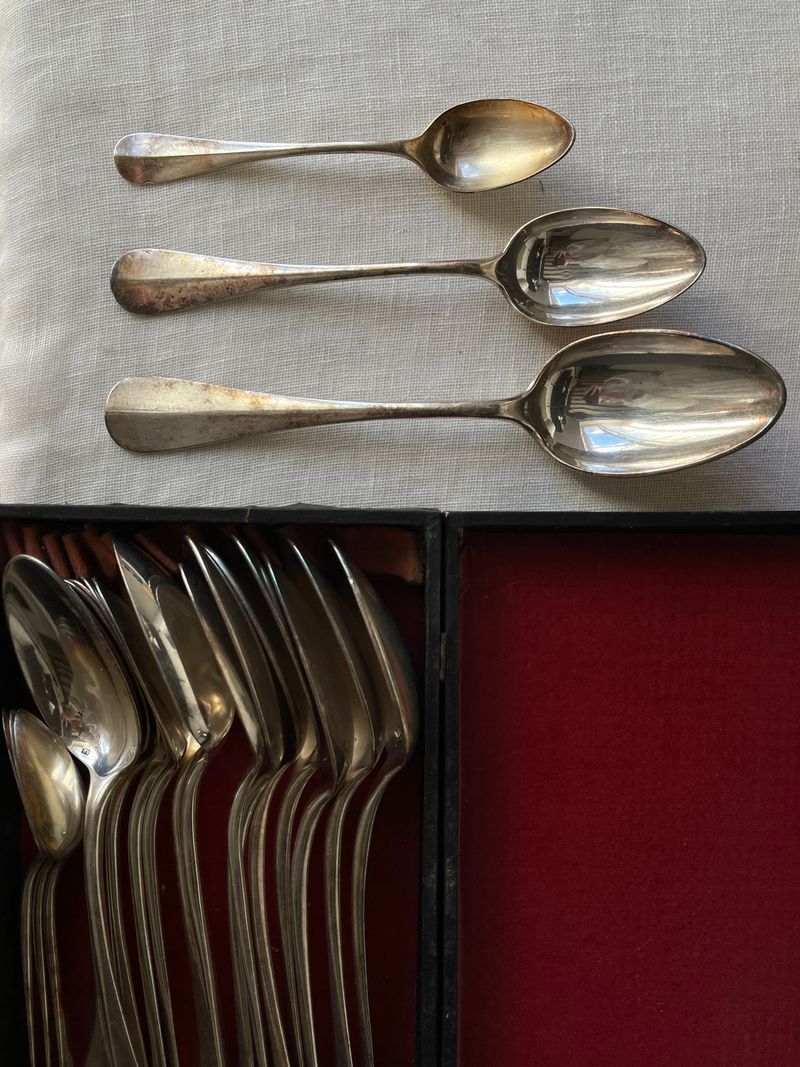
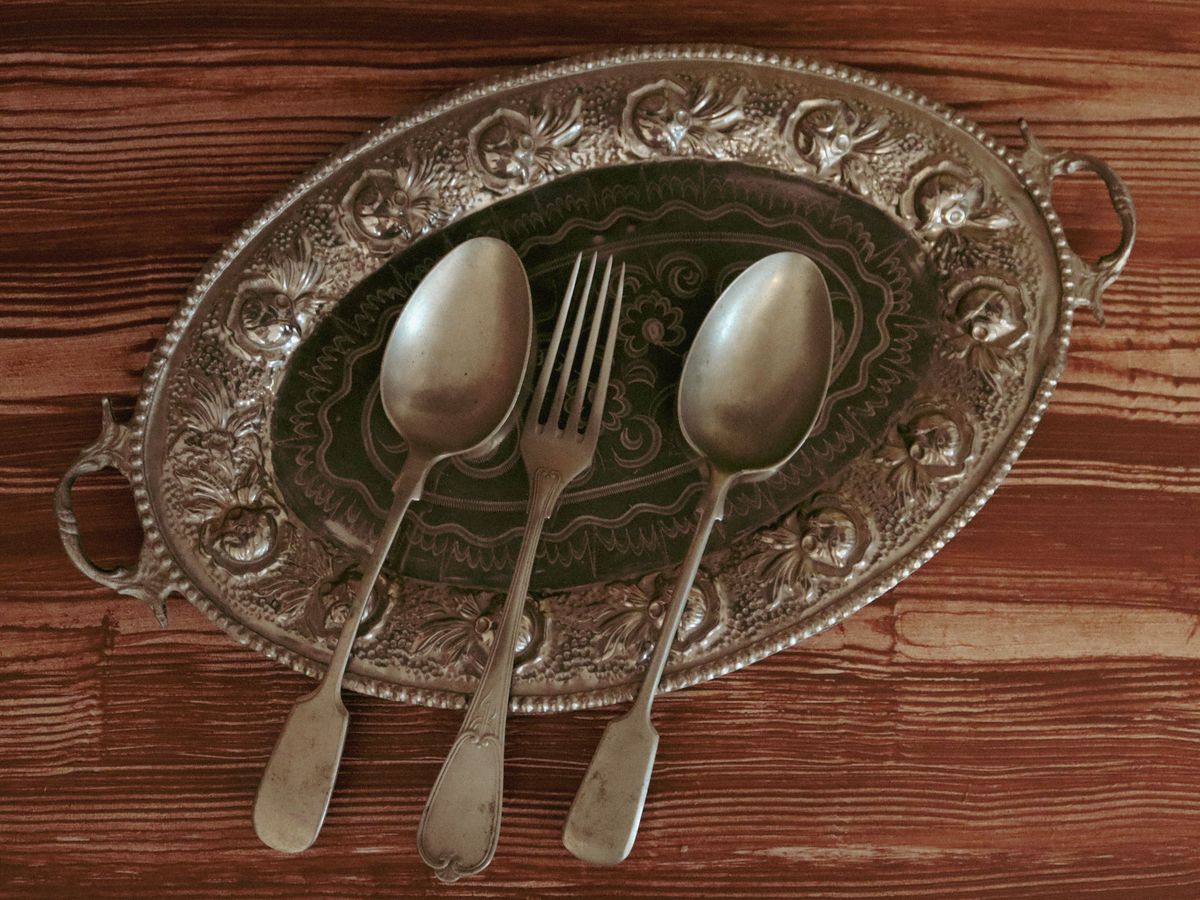
Genuine silver tarnishes. It reacts with sulphur compounds in the air to form black silver sulphide, typically appearing first in recesses, around engravings, and near hallmarks. This dark patina is expected and desirable — it’s proof of real silver chemistry at work.
Fake silver may develop an orange or greenish tinge as the base copper alloy oxidises differently. If you see green corrosion on what’s claimed to be solid silver, that’s a strong warning sign.
Want a definitive answer without running every test? Upload a photo and our AI returns a verdict on hallmarks, material, and likely value — in minutes.
Appraise my silver →Test 05 — The ring test (for coins and small pieces)

Drop a silver coin from a few centimetres onto a hard surface, or balance it on your fingertip and flick the edge. Genuine silver produces a clear, high-pitched ringing tone that sustains for a second or more — sometimes called the “ping” test by coin collectors.
Fake coins made from base metal alloys produce a dull thud or a short, flat sound. The difference is immediately noticeable once you’ve heard the real thing. This test works best on coins and small medallions — less effective on flatware or hollow pieces.
Test 06 — Examine wear patterns — where does the metal show through?
On silver-plated items, the base metal shows through at high-wear points: edges, handles, and raised decoration. You’ll see a yellowish, reddish, or grey tinge at these spots as the silver plating rubs away to reveal copper, nickel, or brass beneath. On solid silver, the metal at wear points is the same colour as everywhere else — silver throughout.
Run a white cloth firmly across edges and any raised relief — if a yellowish or pinkish residue appears alongside the expected grey tarnish, the plating is beginning to fail.
Test 07 — The acid test

The acid test is the most reliable home test short of professional assay. Precious metal acid testing kits are available online for under £20 and include small bottles of nitric acid calibrated for different purity levels — silver, 10K, 14K, 18K gold.
Make a small scratch on an inconspicuous area of your piece (or use a jeweller’s touchstone). Apply one drop of silver test acid. Genuine sterling silver turns a creamy-white colour. A bright red reaction indicates low-grade silver or silver fill. If the scratch turns green or shows no colour reaction, the metal is likely a base alloy with no real silver content.
Frequently Asked Questions
How can you tell if silver is real without a kit?
The quickest no-kit tests are the hallmark check (look for “925” or the lion passant stamp), the magnet test (real silver is non-magnetic), and the ice cube test (silver melts ice very quickly due to its extreme thermal conductivity). Combining all three gives a high degree of confidence without any specialist equipment.
Does real silver stick to a magnet?
No. Genuine silver is non-magnetic and will not be attracted to a magnet. If a piece clings to a strong neodymium magnet, it contains ferrous (iron-based) metal and is not real silver. However, some fake silver uses non-magnetic metals like copper, so the magnet test alone is not conclusive — always follow up with a second test.
What does fake silver look like over time?
Fake silver — particularly silver-plated base metal — reveals itself at wear points, showing yellowish, orange, or greenish patches where the plating has worn through to copper or brass underneath. It may also develop a bright orange-green tarnish rather than the characteristic grey-black tarnish of real silver sulphide.
How accurate is the ice cube test for silver?
Very accurate for identifying solid silver vs. base metal, but less reliable for distinguishing solid silver from very heavily silver-plated items — a thick plating can still conduct heat quickly. Use the ice test as a fast first screen, then confirm with a hallmark check or acid test for certainty.
What acid is used to test silver at home?
Nitric acid is the standard reagent for testing silver purity at home. Precious metal acid test kits sold for DIY use typically include nitric acid diluted to levels appropriate for testing silver, gold, and platinum. A drop on real sterling silver produces a creamy-white reaction; base metals typically turn green or red depending on their composition.
Is silver-plated the same as solid silver?
No. Silver-plated items have a thin coating of silver over a base metal core (usually copper, nickel, or brass). They are marked EPNS, EPBM, or “silver plate” — never with “925” or a lion passant hallmark. Solid silver has consistent silver content throughout and always carries assay office hallmarks.
Not sure if your silver piece is real?
Upload a photo to 925s.ai and get an instant AI-powered appraisal — hallmark identification, purity estimate, and current market value. Free.
Get a free appraisal at 925s.ai →925s.ai provides AI-assisted appraisals for informational purposes. For certified valuations, consult an accredited appraiser.